

Most people wear a retainer full time for a while after braces, then switch to nights. Because teeth keep shifting slightly for life, nighttime retainer wear usually becomes a long-term habit rather than something that simply ends.
Getting your braces off feels like the finish line, and in many ways it is. The retainer that comes next is what keeps that finish line from moving. Here is why retainers matter, how the wear schedule changes over time, and what to do when life gets in the way of wearing one.
Why Do Teeth Need a Retainer After Braces?
Braces move teeth through the bone that holds them. When the brackets come off, the teeth are in their new positions, but the bone and the gum fibers around each tooth have not finished settling. Those fibers have a kind of memory, and for a while they pull gently toward where the teeth used to sit.
There is also a slower, lifelong force at work. Teeth naturally drift as we age, whether or not someone ever had braces. That is why some adults notice crowding in their lower front teeth in their thirties or forties even though their smile looked straight as a teenager.
A retainer holds everything still while the supporting tissue settles and then keeps resisting that gradual drift. Skip it, and teeth often creep partway back to where they started. That is why every plan at our office includes retention, no matter if you finish in metal braces or Invisalign aligners.
How Long Do You Have to Wear a Retainer Full Time?
For most patients, a removable retainer is worn nearly all day in the beginning and later only at night. The exact length of that first stage is not a fixed number on a calendar. Dr. Patel sets your schedule based on how your teeth respond, and he adjusts it at follow-up visits.
The first months after braces are when teeth are most likely to move, so this is the stage where consistency matters most. Taking the retainer out only to eat and brush during that period protects the result while the bone and gums catch up.
If you are not sure if you are still in the full-time stage or ready for nights only, ask before you change anything on your own. Cutting back too early can let teeth start to shift.
Do You Have to Wear a Retainer Forever?
For most people, yes, in the sense that nighttime wear becomes a long-term habit. Small movements continue for a lifetime, and steady retainer use is what keeps a finished smile looking finished.
That can sound like a big commitment, but in practice it is a small one. After the first stage, wear usually happens while you sleep. It becomes part of the bedtime routine, much like brushing and flossing.
It helps to think of the retainer as protection for the time you already invested. All those adjustment visits or aligner swaps pay off only if the teeth hold their new spots, and a few hours of wear each night does exactly that.
Which Type of Retainer Will You Wear?
Retainers come in removable and fixed styles, and every one does the same basic job: holding your teeth where treatment put them. Clear removable retainers are thin plastic trays shaped to your teeth. They are hard to notice, but they need gentle handling, because heat can warp them.
The right choice depends on your bite, how your teeth moved during treatment and your habits. Dr. Patel walks you through the retainer he recommends for your case, your daily hours and how those hours taper later. On the day treatment wraps up, we take a new digital scan, fit the retainer, and teach you how to insert it, remove it and keep it clean.
What Happens If You Stop Wearing Your Retainer?
Teeth rarely snap back all at once. More often, the change is gradual. A retainer that used to slide in easily starts to feel tight, a small gap reopens, or one front tooth begins to turn. Those are signs the teeth have started to drift.
Catching a small shift early makes it far easier to fix, and a fresh retainer alone may handle it. Bigger shifts may call for a brief second round of treatment, which tends to be simpler than the original because the teeth have less distance to travel.
If your retainer suddenly feels very tight after a few nights off, do not force it. Call us so Dr. Patel can measure the change and talk through next steps, which may include aligners or ceramic braces.
What Should You Do If Your Retainer Is Lost or Broken?
Let us know right away. The longer you go without a retainer, the more your teeth may shift. A cracked, bent or missing retainer is simpler to sort out when you reach us quickly, and our team will explain the next step.
A few habits prevent most of these calls. Keep the retainer in its case whenever it is not in your mouth. Never wrap it in a napkin at a restaurant, which is where many retainers get lost. Keep it out of reach of pets. When traveling, pack the case in a carry-on bag rather than a checked suitcase.
A retainer that no longer fits because of a growth spurt, new dental work or a long break from wear also needs a check. A retainer should feel snug, but it should not hurt.
What Happens at Your Retainer Check Visits?
Retention does not end the day you leave with your retainer. We check your retainer and your bite at follow-up visits, so small changes get noticed before they turn into bigger ones. Mention anything that feels different, such as a tighter fit, a rough edge or a small crack.
Between visits, a quick self-check helps. If the retainer suddenly feels much tighter than usual, will not seat fully or rubs a new spot, call us rather than forcing it into place. A retainer that no longer fits is easier to deal with when we hear about it quickly.
How Do You Clean a Retainer?
A clean retainer is more comfortable to wear and less likely to collect plaque. Each time it comes out, rinse it, give it a gentle scrub with a soft brush and cool water, and store it in the case.
Hot water can warp clear retainers, so skip the dishwasher, boiling water and the dashboard of a hot car. Brushing your teeth first keeps leftover food from sitting under the plastic all night.
Bring your retainer to your follow-up visits. Those visits let us look at the fit and your bite, so a minor change gets spotted while it is still simple to fix.
Frequently Asked Questions
Is it normal for a retainer to feel tight?
A little pressure is common when you first get a retainer, or when you put it in after missing a night. It usually eases quickly. If it stays painful or will not seat fully, call us so we can check the fit.
Will I still need a retainer after Invisalign?
Yes. Teeth moved with aligners need retention just like teeth moved with braces. Retention is part of every plan at our office, including Invisalign treatment.
Can shifted teeth be moved back?
Often, yes. Some drift is typical after time away from a retainer. Some adults come to us after years without a retainer, and orthodontic treatment for adults can often correct relapse with less movement than the first time.
Does insurance cover retainers?
It varies by plan. Our team can go over your benefits and explain our payment and insurance options. Families can also read our guide on how orthodontic insurance works.
Keep Your Smile Where It Belongs
Your retainer is the last step of treatment, and the one that protects every step before it. If yours is lost, broken or no longer fits, or you want to ask about your schedule, learn more about retainers in La Grange or request an appointment with Dr. Patel. Patients finishing braces leave with a retention plan built in.
Share this post
explore more posts
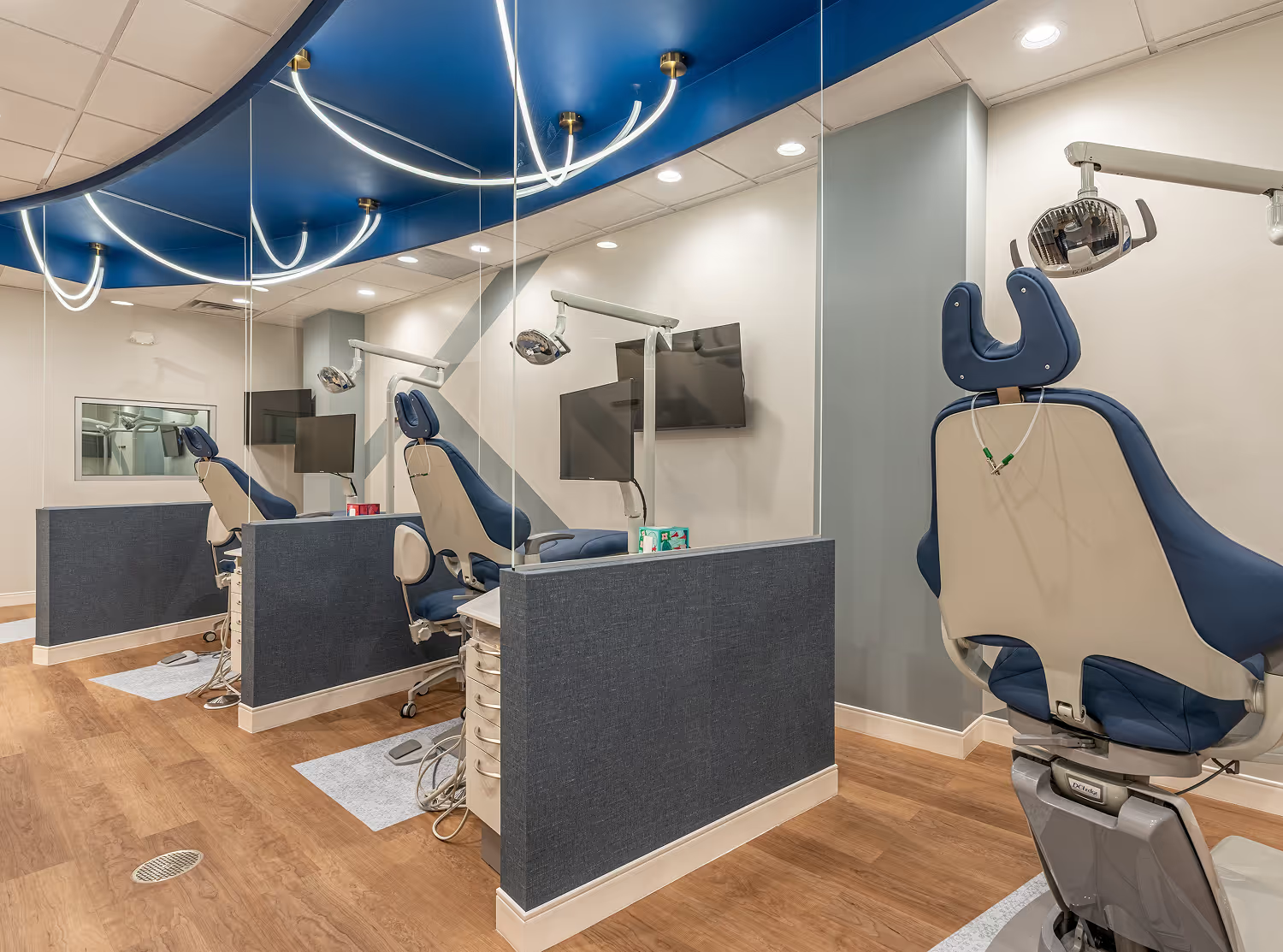
November 23, 2026
Same-Day Braces: How Starting in One Visit Works
Same-day braces let you start treatment at your free consultation. Learn what happens at the visit, who it suits, when to wait, and what to expect after.

November 23, 2026
Braces vs. Invisalign for Adults: How to Choose
Braces or Invisalign as an adult? Compare appearance, daily wear, food, cleaning and timing, plus what crowns, implants or past braces mean for your plan.
November 23, 2026
How Long Do You Wear a Retainer After Braces?
Most people wear a retainer full time at first, then nights only. Learn why teeth shift, retainer types, cleaning tips, and what to do if yours is lost.

October 14, 2026
Does Insurance Cover Braces? A Guide for Families
Many dental plans include orthodontic benefits, but limits vary. Learn what to ask your insurer, how HSAs and FSAs help, and how payment plans work.

October 14, 2026
Ceramic vs. Metal Braces: Which Is Right for You?
Ceramic and metal braces move teeth the same way. Compare look, strength, staining, comfort and who each one suits best before you choose.

October 14, 2026
What Does a Palatal Expander Do? A Parent's Guide
A palatal expander widens a narrow upper jaw while a child is still growing. Learn how it works, the best age, how it feels and how to care for it.

October 5, 2026
Braces vs. Invisalign for Teens: How to Choose
Braces or Invisalign for your teen? Compare the look, comfort, food rules, hygiene, and treatment time, plus the questions that help families decide.

October 14, 2026
Can My Child Still Play Competitive Sports While Wearing Metal Braces?
Sports are a vibrant part of childhood. The thrill of the game, the camaraderie of teammates, and the sense of achievement are experiences no young athlete should miss.

October 9, 2026
Meet Your Friendly Neighborhood Orthodontist: Personalized Orthodontic Care in La Grange, IL & Surrounding communities
Finding the right orthodontist is about more than choosing someone who can straighten teeth—it’s about finding a practice where you feel comfortable, heard, and confident throughout your smile journey.

September 22, 2026
Friendly Neighborhood Orthodontic Advice: What to Do During Common Emergencies
Unexpected orthodontic issues can happen at any point during treatment, whether you have traditional braces, Invisalign® clear aligners, retainers, expanders, or another orthodontic appliance.

October 14, 2026
What Are the Signs My Child Might Need Early Orthodontic Intervention?
You want the best for your child: health, happiness, confidence. Yet, when it comes to their teeth and smile, knowing when to take action isn’t always clear.
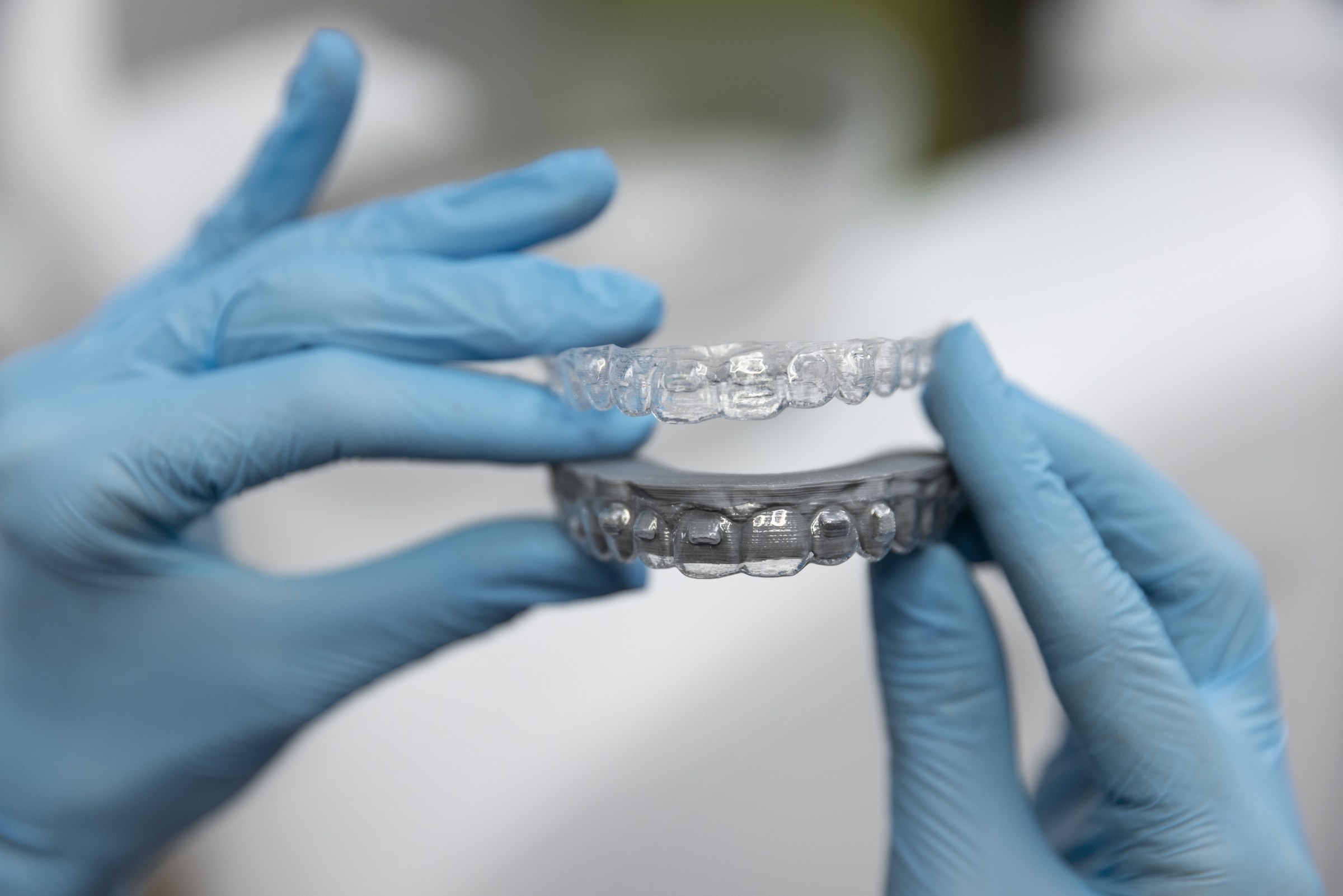
October 14, 2026
Can Invisalign Fix Complex Bite Issues Like Overbites or Crowding?
Picture this: you're ready to smile confidently, but every time you catch your reflection, you're reminded of your overbite or crowded teeth. You’re not alone.

October 14, 2026
Does My Child Really Need an Orthodontic Screening at Age 7?
At Friendly Neighborhood Orthodontist in La Grange, IL, we understand that these decisions can feel overwhelming, and we're here to provide clarity.
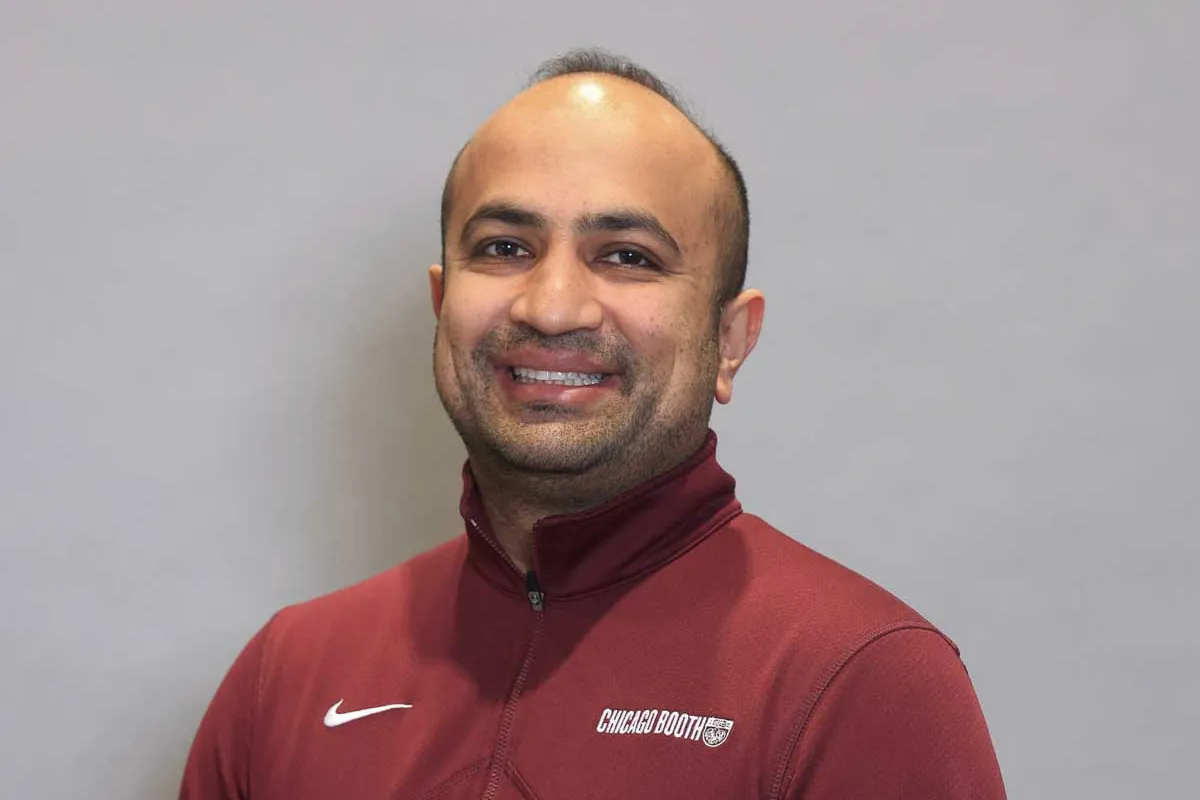
September 22, 2026
Welcome to Friendly Neighborhood Orthodontist
At Friendly Neighborhood Orthodontist, we’re here to provide top-notch orthodontic care with a personal touch. Led by Dr. Krushan Patel, our team focuses on creating confident smiles and building long-lasting relationships. Whether you’re in for a consultation or beginning treatment, we’re dedicated to making your experience comfortable and enjoyable.

Ready to get started?
We are proud to create smiles in the communities of La Grange, La Grange Park, Lyons, Western Springs, Hinsdale, Brookfield and Westchester. We also serve residents of Broadview, Hillside, Hodgkins, Indian Head Park, Maywood, McCook, North Riverside, Riverside, and many more.
If you're ready to get started, schedule a free consultation and discover orthodontic care that's friendly, modern, and welcoming!