
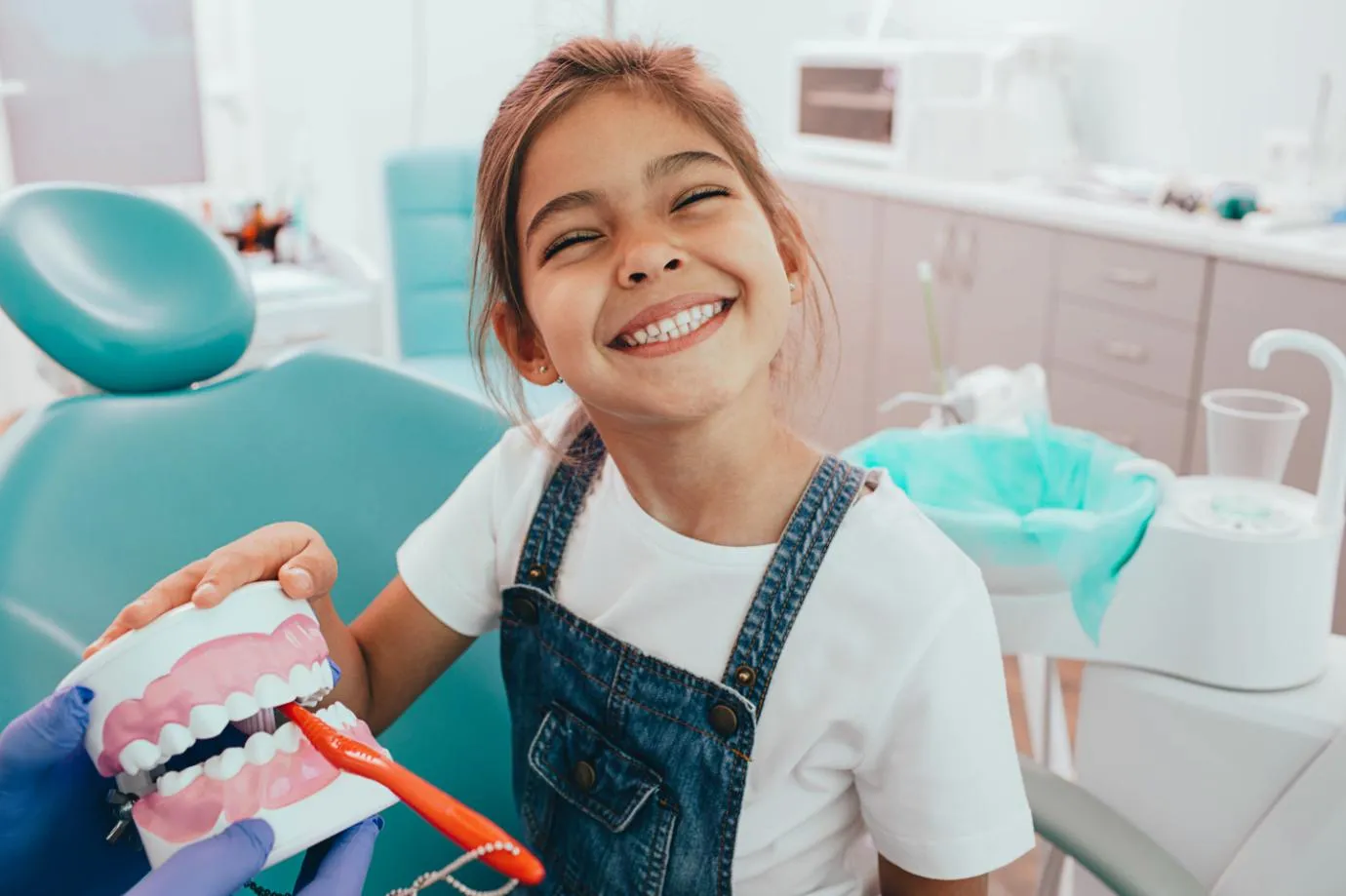
A palatal expander is a small orthodontic appliance that gently widens the upper jaw while a child is still growing. By slowly separating the two halves of the upper jaw, it makes room for crowded adult teeth, corrects crossbites and helps the upper and lower teeth meet the way they should. It works best in younger children, before the jaw finishes developing.
If Dr. Patel has mentioned an expander for your child, or another parent at school has one and you are curious, you probably have a lot of questions. Expanders are a common part of early orthodontic care, and they feel much less mysterious once you know how they work.
What Does a Palatal Expander Do?
The upper jaw starts out as two halves joined by a seam that runs down the middle of the roof of the mouth. In children, that seam has not fully fused yet. An expander sits against the palate and applies steady, gentle outward pressure, which slowly widens the space at the seam. Over the following months, new bone fills that space, so the wider jaw becomes permanent.
This is different from what braces do. Braces move individual teeth through the bone. An expander changes the width of the upper jaw itself, which is far easier while a child is still growing. That timing is the whole reason expansion is part of interceptive orthodontics, also called Phase 1 treatment.
What Problems Can a Palatal Expander Fix?
Most expanders are recommended for one of a few reasons. The most common is a crossbite, where some of the upper back teeth sit inside the lower teeth instead of slightly outside them. A crossbite can push the lower jaw to one side when a child bites down, and correcting it early helps the jaws grow in better balance.
Crowding is the other big reason. When the upper jaw is narrow, there may not be enough room for the larger adult teeth that are still on their way. Creating that space early can make later treatment simpler and, in some cases, can reduce the need to remove teeth to make room.
Not every child with crooked baby teeth needs an expander. Dr. Patel only recommends one after checking jaw growth, the bite and where the adult teeth are headed.
What Is the Best Age for a Palatal Expander?
Expansion works best while the seam in the upper jaw is still open, which is why it is usually done in childhood. Phase 1 treatment typically begins between ages 7 and 10. The American Association of Orthodontists recommends a first orthodontic check by age 7, because at that age an orthodontist can see the jaw growth and the mix of baby and adult teeth clearly enough to know whether early treatment would help.
As children move into their teens, the seam gradually fuses and traditional expansion becomes less predictable. That does not mean a teen with a narrow jaw is out of options, only that the approach may be different. If your child is older, an orthodontic check for kids is still the right first step, and Dr. Patel will tell you honestly whether now is a good time.
Palatal Expander vs. Braces: What Is the Difference?
Expanders and braces often work together, but they do different jobs:
| Factor | Palatal expander | Braces |
|---|---|---|
| What it changes | The width of the upper jaw | The position of individual teeth |
| Typical age | Childhood, while the jaw is still growing | Usually once most adult teeth are in |
| Where it sits | Against the roof of the mouth, attached to back teeth | Brackets on the front of the teeth, joined by a wire |
| Active phase | A short period of gradual widening | Steady tooth movement with regular adjustments |
| After the active phase | Stays in place for a while so new bone can fill in | Retainers hold teeth in their new positions |
| Main goal | Create room and correct a crossbite | Straighten teeth and fine-tune the bite |
Some children who have expansion still need braces later, and some do not. When braces are needed, the extra room created early often makes that second phase shorter and more predictable.
How Does Palatal Expansion Work Step by Step?
Treatment starts with a digital scan of your child's teeth, with no impression trays. Dr. Patel uses that scan to plan the expansion and have the appliance custom-made to fit. At the fitting visit, the expander is attached to the back teeth, and we make sure it feels secure and comfortable before your child heads home.
Many expanders have a small screw in the center that is turned with a special key. We show you exactly how to do it and give you a schedule to follow, so the widening happens in small, gentle steps. We see your child during this phase to check progress on the scan and in the mouth.
Once the jaw has reached the planned width, the turning stops but the expander stays in place for several months. This is the stabilizing phase, when new bone fills in and the result becomes solid. After that, the appliance comes out, and we keep an eye on growth as the rest of the adult teeth come in.
What Does Wearing a Palatal Expander Feel Like?
The first few days take the most getting used to. Children usually describe a feeling of pressure across the roof of the mouth, and sometimes up toward the nose or cheekbones, for a few minutes after each turn. It is a strange sensation more than a painful one, and it fades quickly.
Speech and eating can feel different at first, too. The tongue has less room while it adjusts, so some kids sound a little different or produce extra saliva for the first several days. Soft foods make the first week easier, and most children are back to normal routines quickly.
One change surprises nearly every parent: a gap may open between the two upper front teeth. That gap is a good sign that the jaw is widening as planned. It usually closes on its own over the following weeks, and if it needs help, that can be part of later treatment.
How Do You Care for a Palatal Expander?
Food can get trapped between the expander and the roof of the mouth, so good cleaning matters. Have your child brush carefully around the appliance after meals and rinse with water to flush out anything stuck underneath.
Hard and sticky foods, like hard candy, caramel, gum and ice, can bend or loosen an expander, so it is best to skip them during treatment. That includes most Halloween candy, so save the chewy treats for later. If the expander ever feels loose, a turn feels much harder than usual, or something pokes, call us and we will tell you what to do. There are also simple steps for orthodontic emergencies that keep your child comfortable until we can see them.
Frequently Asked Questions
Does a palatal expander hurt?
It should not be painful. Most children feel pressure for a few minutes after each turn and some general soreness during the first few days. Soft foods and a little patience usually take care of it.
Will my child still need braces after an expander?
In some cases, yes. Expansion solves the jaw-width problem, but the teeth themselves may still need straightening once the adult teeth are in. When that happens, Phase 1 often makes the second phase shorter and simpler.
Can teens or adults get a palatal expander?
Expansion is most predictable while a child is still growing. After the seam in the upper jaw fuses, widening the jaw usually needs a different approach. Dr. Patel can explain the options for an older patient after an exam.
Schedule a Free Consultation for Your Child
The only way to know whether your child needs an expander is a quick, friendly exam. Your first visit with us is free and includes a digital scan, and Dr. Patel, a board-certified orthodontist, will tell you clearly whether treatment is needed now, later or not at all. Families from La Grange, La Grange Park, Western Springs, Brookfield and nearby communities trust our team with their children's smiles. Request an appointment online or call us at (464) 252-0075.
Share this post
explore more posts

October 7, 2026
Does Insurance Cover Braces? A Guide for Families
Many dental plans include orthodontic benefits, but limits vary. Learn what to ask your insurer, how HSAs and FSAs help, and how payment plans work.
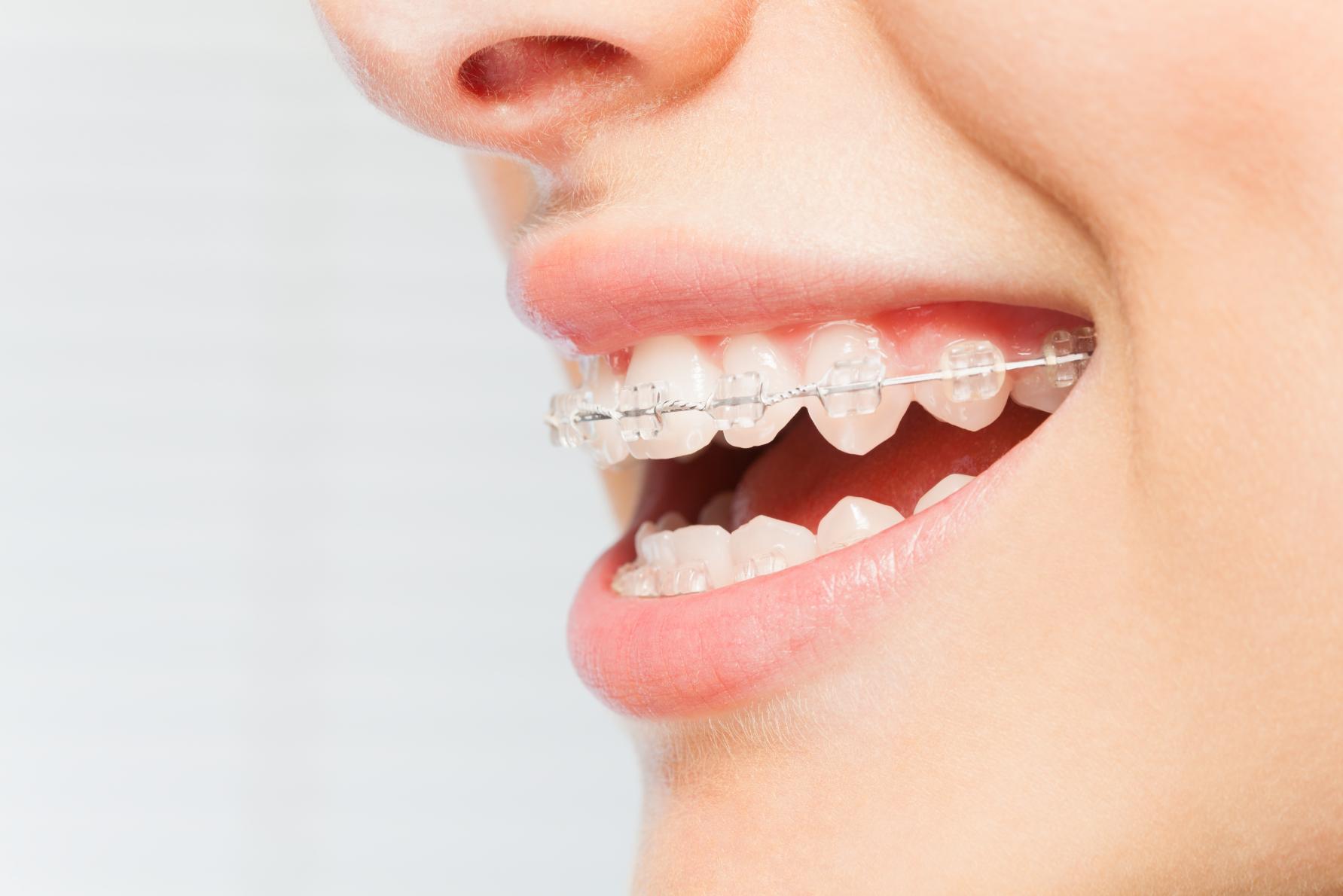
October 7, 2026
Ceramic vs. Metal Braces: Which Is Right for You?
Ceramic and metal braces move teeth the same way. Compare look, strength, staining, comfort and who each one suits best before you choose.
October 7, 2026
What Does a Palatal Expander Do? A Parent's Guide
A palatal expander widens a narrow upper jaw while a child is still growing. Learn how it works, the best age, how it feels and how to care for it.

October 5, 2026
Braces vs. Invisalign for Teens: How to Choose
Braces or Invisalign for your teen? Compare the look, comfort, food rules, hygiene, and treatment time, plus the questions that help families decide.
September 22, 2026
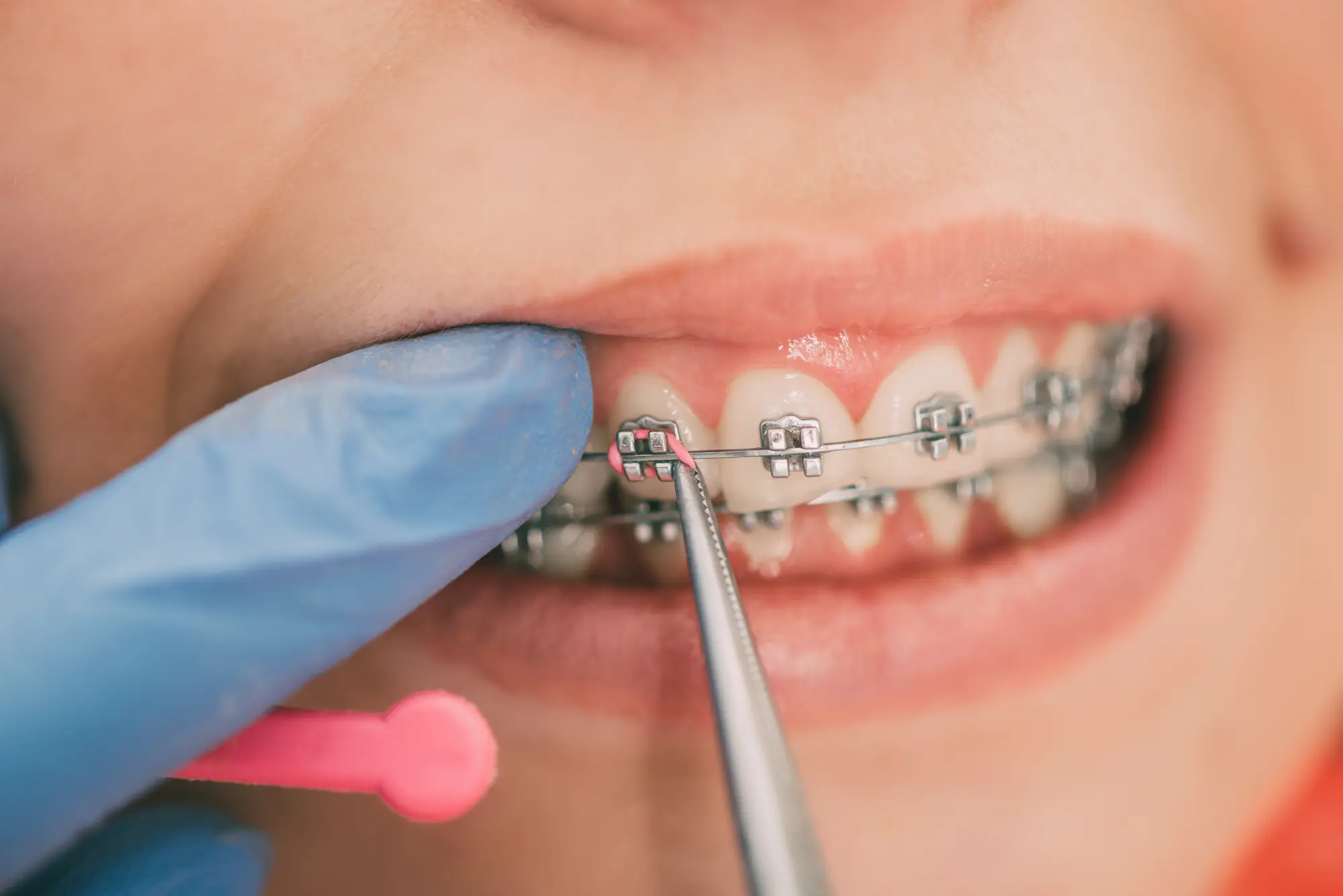
Can My Child Still Play Competitive Sports While Wearing Metal Braces?
Sports are a vibrant part of childhood. The thrill of the game, the camaraderie of teammates, and the sense of achievement are experiences no young athlete should miss.
September 22, 2026
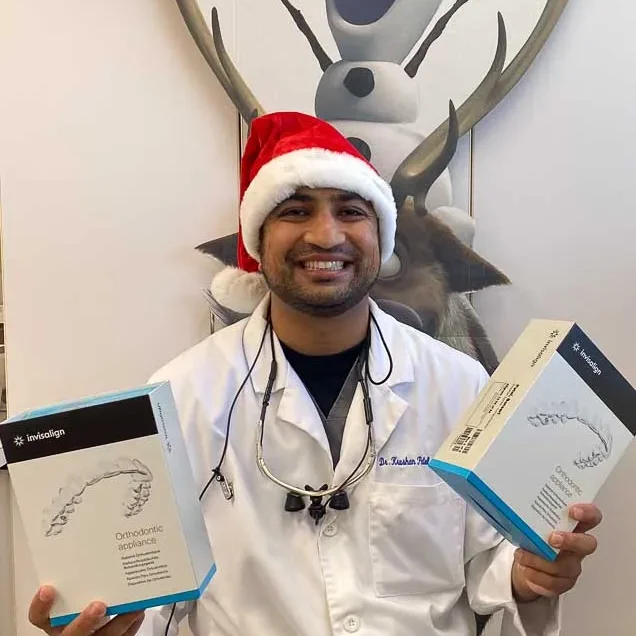
Meet Your Friendly Neighborhood Orthodontist: Personalized Orthodontic Care in La Grange, IL & Surrounding communities
Finding the right orthodontist is about more than choosing someone who can straighten teeth—it’s about finding a practice where you feel comfortable, heard, and confident throughout your smile journey.

September 22, 2026
Friendly Neighborhood Orthodontic Advice: What to Do During Common Emergencies
Unexpected orthodontic issues can happen at any point during treatment, whether you have traditional braces, Invisalign® clear aligners, retainers, expanders, or another orthodontic appliance.
September 22, 2026
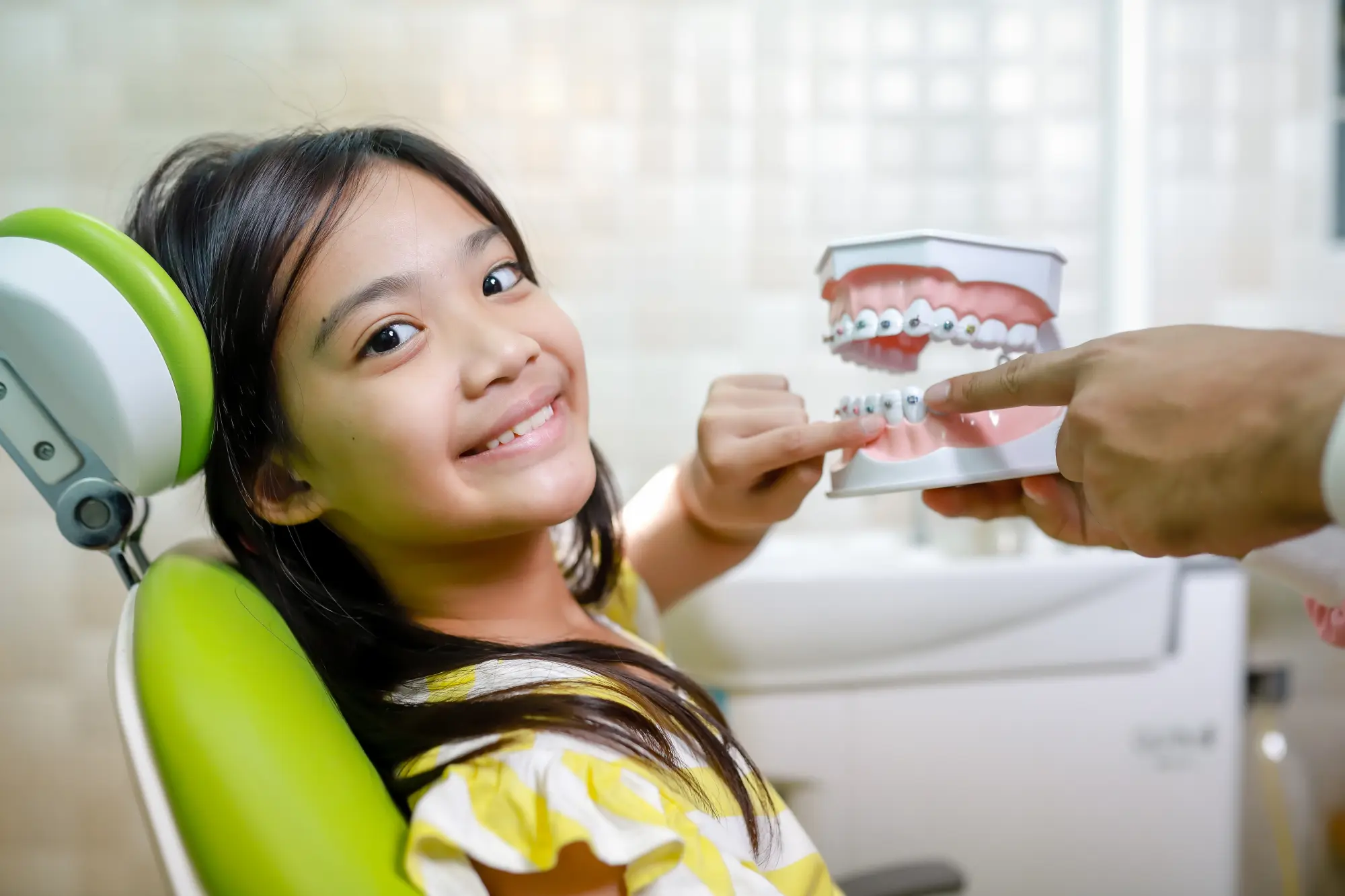
What Are the Signs My Child Might Need Early Orthodontic Intervention?
You want the best for your child: health, happiness, confidence. Yet, when it comes to their teeth and smile, knowing when to take action isn’t always clear.
September 22, 2026
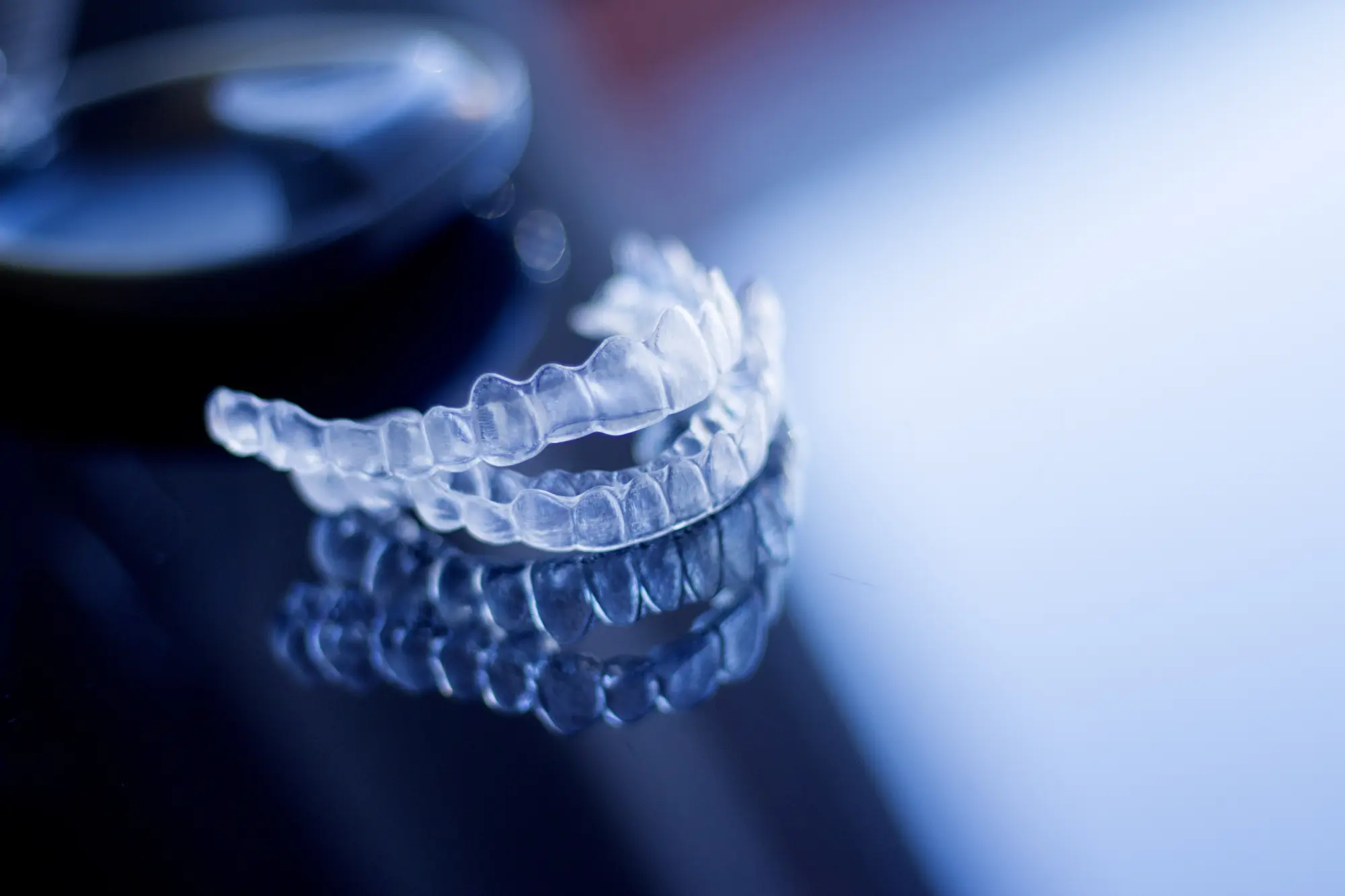
Can Invisalign Fix Complex Bite Issues Like Overbites or Crowding?
Picture this: you're ready to smile confidently, but every time you catch your reflection, you're reminded of your overbite or crowded teeth. You’re not alone.
September 22, 2026
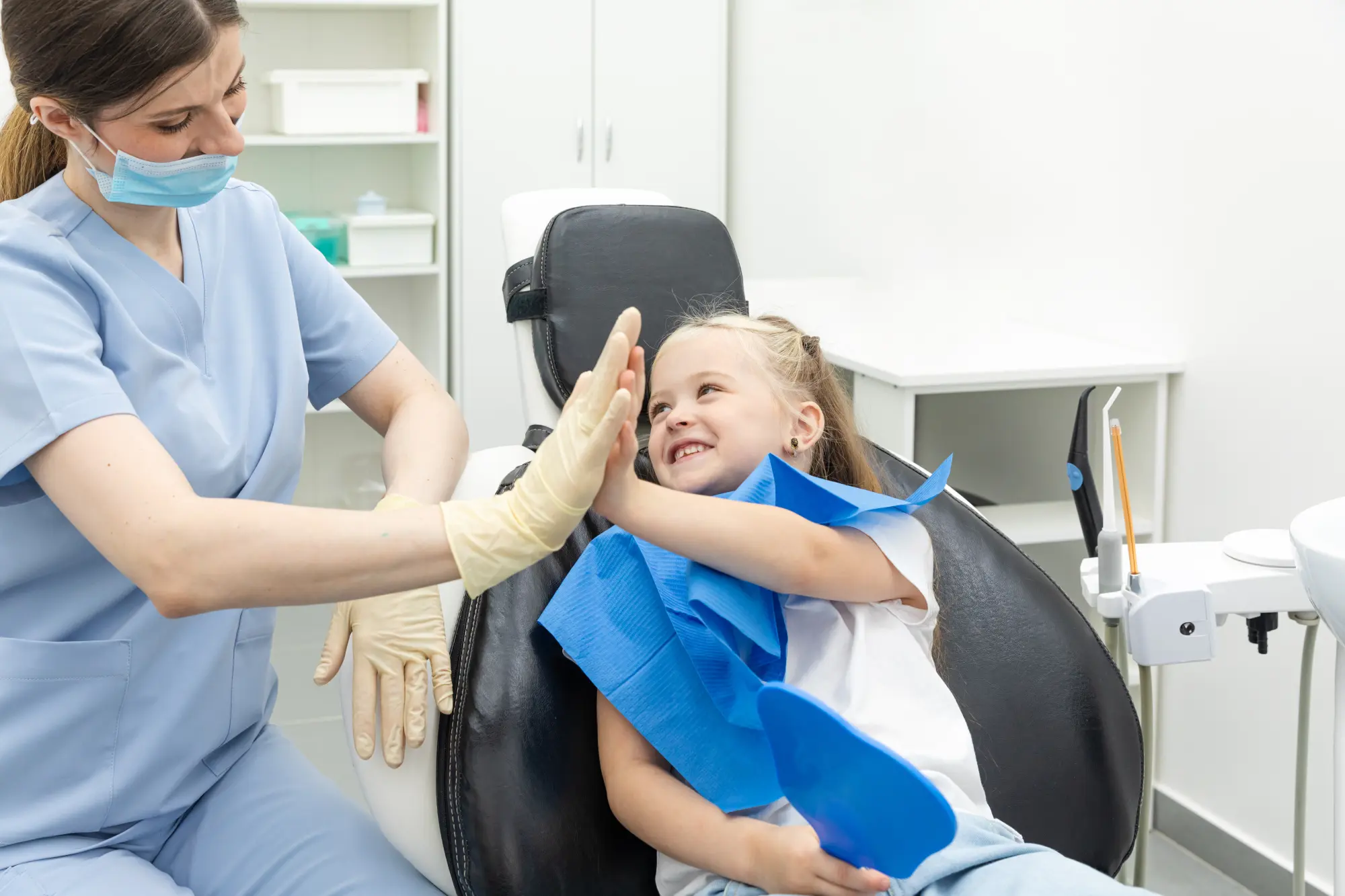
Does My Child Really Need an Orthodontic Screening at Age 7?
At Friendly Neighborhood Orthodontist in La Grange, IL, we understand that these decisions can feel overwhelming, and we're here to provide clarity.
September 22, 2026
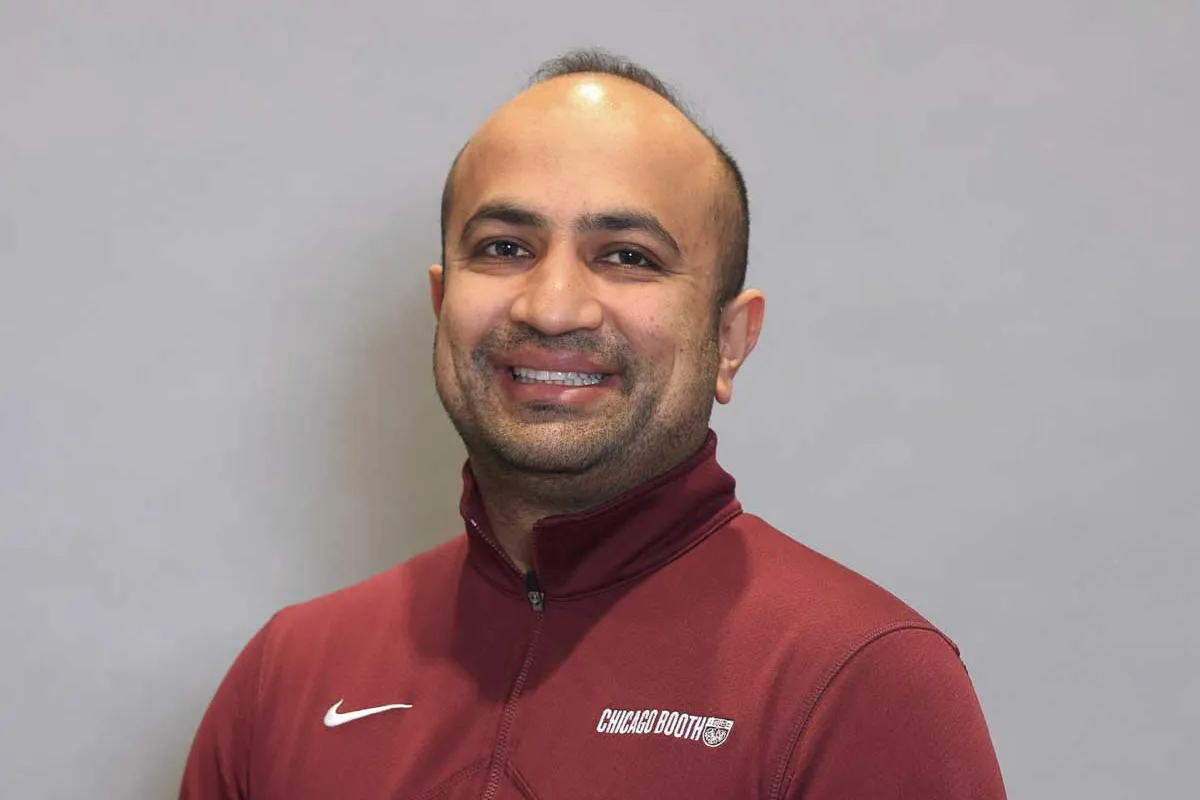
Welcome to Friendly Neighborhood Orthodontist
At Friendly Neighborhood Orthodontist, we’re here to provide top-notch orthodontic care with a personal touch. Led by Dr. Krushan Patel, our team focuses on creating confident smiles and building long-lasting relationships. Whether you’re in for a consultation or beginning treatment, we’re dedicated to making your experience comfortable and enjoyable.

Ready to get started?
We are proud to create smiles in the communities of La Grange, La Grange Park, Lyons, Western Springs, Hinsdale, Brookfield and Westchester. We also serve residents of Broadview, Hillside, Hodgkins, Indian Head Park, Maywood, McCook, North Riverside, Riverside, and many more.
If you're ready to get started, schedule a free consultation and discover orthodontic care that's friendly, modern, and welcoming!